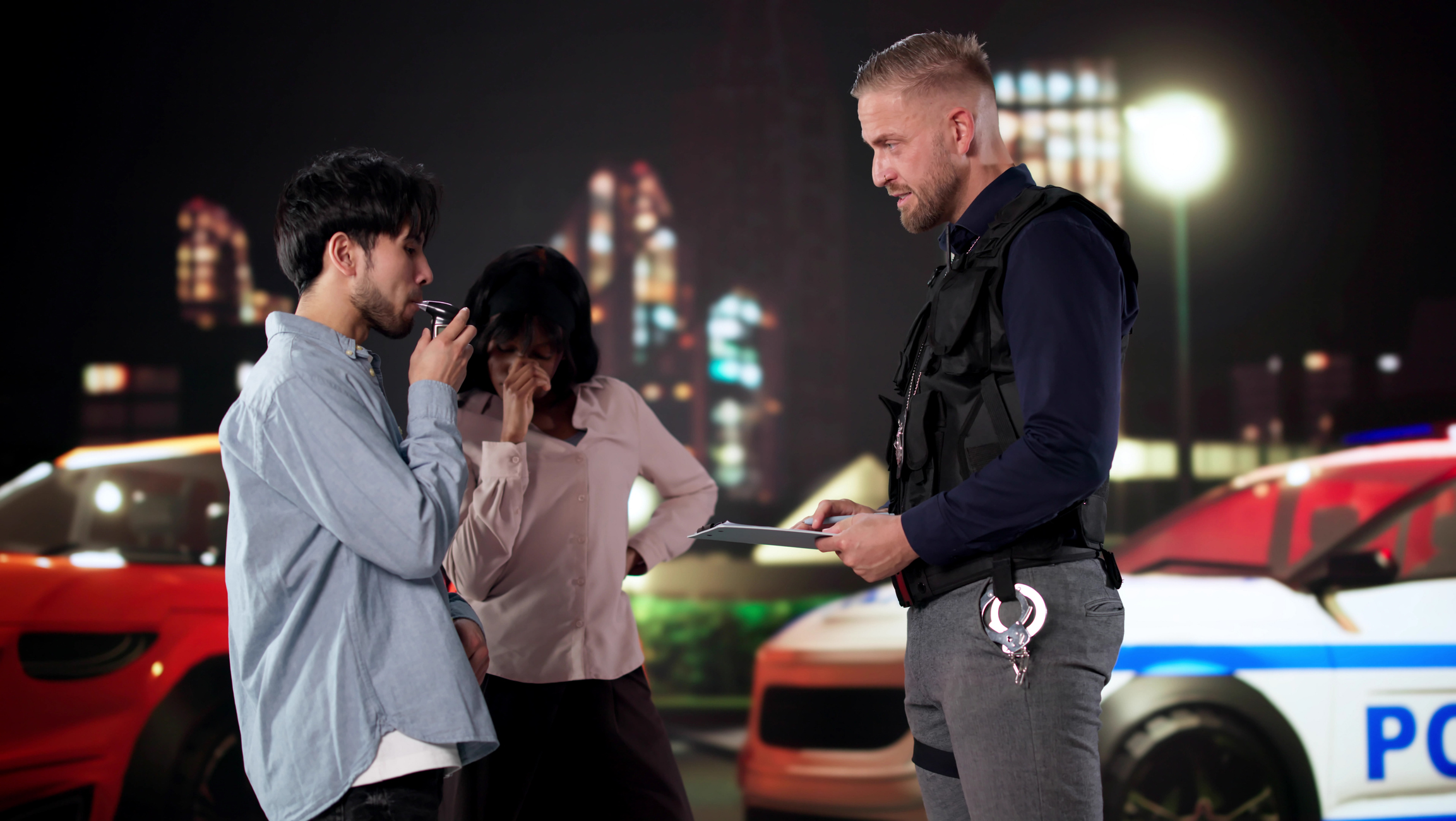
Chemical evidence is usually the most important element of a drunk driving case. Police officers may conduct roadside breath testing or, in some cases, collect a blood sample. The evidence that they secure through testing can then be used to validate the prosecutor’s claim that a motorist’s blood alcohol concentration (BAC) was over the legal limit.
It is incorrect to assume that any impaired driving charges backed by a chemical test will inevitably lead to a criminal conviction of operating a vehicle while intoxicated (OWI). It is possible to challenge forensic evidence through the following options:
- Contesting the validity of chemical evidence — This typically requires a thorough evaluation of how the state collected and tested the evidence. For example, in scenarios where prosecutors rely on breath tests, issues with the testing unit or officer training could lead to questions about the accuracy of the results produced.
- Contesting the skill of the testing officer — Police officers must have a certification from the State Department of Toxicology that they must renew every two years. They must follow strict procedures, such as ensuring the driver has had nothing to eat, drink or smoke for at least 20 minutes. The test must also occur within three hours of the alleged OWI offense.
- Contesting the accuracy of the device — The device itself must also meet key standards. If maintenance records for the testing device show that the police department had not calibrated the device recently or failed to install critical software updates, there could be credible questions about the accuracy of test results.
A similar but different line of inquiry can be beneficial in cases backed by blood tests. Blood testing is considered more accurate and reliable than breath testing, but there are also opportunities for errors to occur. For officers to draw blood for a test, they must complete the Law Enforcement Phlebotomy Program (LEPP) training. Sample contamination, gaps in the chain of custody or errors during the testing process could all undermine how trustworthy the chemical test results actually are.
The guidance and advocacy of an experienced DUI/OWI defense attorney can have a profound impact on the outcome of a criminal case. An attorney can evaluate the state’s evidence, including chain of custody records for blood samples and maintenance records for testing units. In some cases, an attorney may be able to have the evidence suppressed and prevent the prosecutor from presenting it at trial. This may even result in a dismissal of all charges. Other times, a defense lawyer can spot issues in the testing process to raise questions about chemical test results. They could also develop a defense that highlights a defendant’s unique medication issues that could have compromised test accuracy.
The Law Offices of Ryan E. Lackey in Fort Wayne represents defendants accused of drunk driving in Allen County and surrounding areas of Indiana. Schedule a free initial consultation by calling 260-222-7364 or contacting us online.