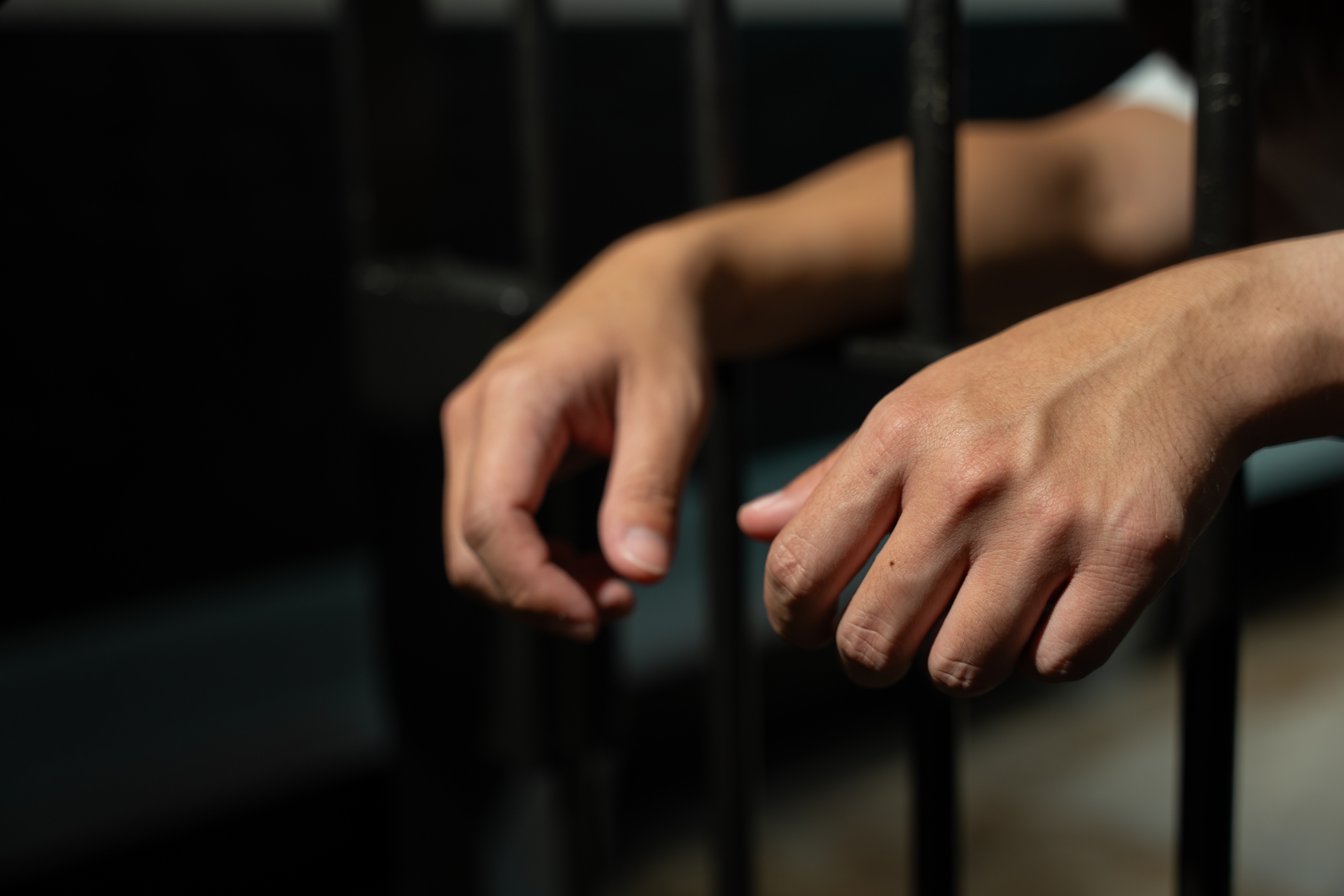
Felonies are the most serious category of criminal offenses in Indiana. Felony convictions can result in lengthy periods of incarceration, substantial fines and long-term consequences that affect employment, housing, educational opportunities, professional licenses and one’s civil rights. Because the stakes are so high, anyone facing felony charges needs legal counsel of the highest caliber.
Indiana law organizes felony offenses into six levels, with sentences of incarceration as follows —
- Level 6 felonies — Six months to two and one-half years
- Level 5 felonies — One to six years
- Level 4 felonies — Two to 12 years
- Level 3 felonies — Three to 16 years
- Level 2 felonies — 10 to 30 years
- Level 1 felonies — 20 to 40 years
In addition, all felony convictions carry the possibility of up to $10,000 in fines.
Murder is treated a separate category of felony. It carries a sentence of 45 to 65 years in prison, but certain defendants qualify for a sentence of either life in prison without parole or the death penalty.
Most felonies have “advisory sentences” that are used as guidelines or starting points somewhere in the middle of the minimum and maximum terms of incarceration. However, judges often have discretion to adjust sentences up or down, as appropriate, based on either aggravating or mitigating factors.
Aggravating factors are any circumstances surrounding the crime that may justify a harsher sentence, such as serious injuries to a victim or an egregious violation of public trust. Firearm enhancements come with mandatory additional terms of incarceration of five to 20 years, depending upon the situation. Habitual offender status can add decades to a prison term.
Mitigating factors are circumstances that tend to support a reduced sentence. Examples are a defendant’s lack of a prior criminal history, acceptance of responsibility for their actions, cooperation with authorities by serving as a witness or significant personal hardships.
Not every felony conviction results in prison time. A defendant may qualify for alternative sentencing. For example, a first-time offender charged with a nonviolent Level 6 felony for possessing a controlled substance may be considered for community corrections, work release or home detention rather than incarceration, such as when the defendant is willing to participate in treatment or counseling. Alternative sentencing is usually negotiated by plea agreement or granted at a judge’s discretion.
Because a felony conviction can bring life-changing consequences, it is important to seek legal guidance as early as possible after being charged. An experienced criminal defense attorney can evaluate the strengths and weaknesses of the state’s case and advocate for the best possible outcome available.
The Law Offices of Ryan E. Lackey in Fort Wayne, Indiana represents defendants in felony-level cases in Allen County and surrounding areas. Call 260-222-7364 or contact us online for a free initial consultation.